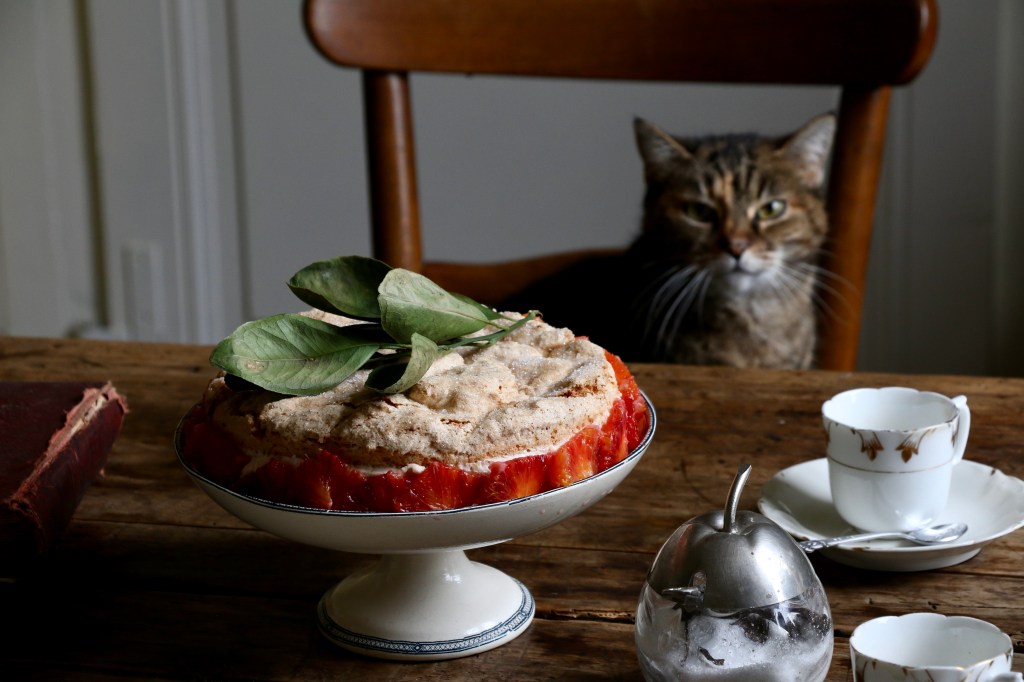
The other day I was desperate for an afternoon delight, not having enough time to bake one myself, I popped into the bakery in the village next door (I live in a mere hameau, a hamlet, with no shops and restaurants), because it was the only bakery open at that time (I’ll never ever get the hang of French shop opening hours in the countryside, never), it didn’t look precisely inviting otherwise, yet I bought a little round gateau, cake, of the many they had on display. What’s it called, I asked the young lady behind the counter. She mumbled something I was too afraid to admit I didn’t understand and so nodded confidently. On my way home I realised it was something to do with bergamote. Promising.

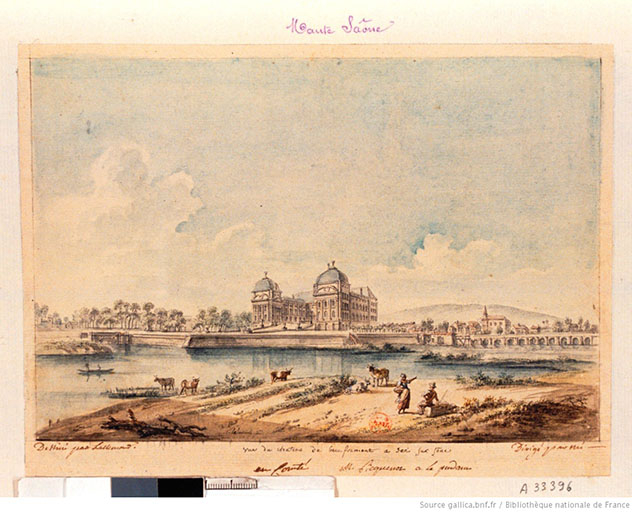
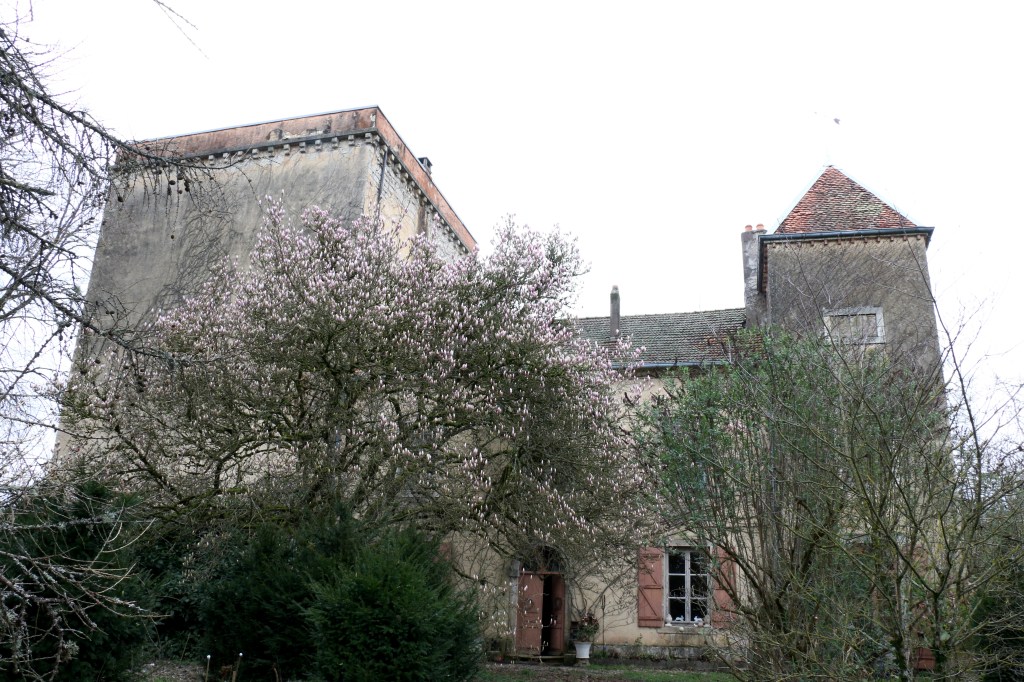
Indeed the gateau is delicious. And rather peculiar, given we’re lost in the French countryside, bergamote fruit isn’t what one generally grows in gardens around here: they are Southern souls, cultivated on the shores of the Ionian Sea in Italy. Epic. Now not far from here was the kingdom of Lorraine (it was a duché only actually, but I rather like to call it a kingdom, sounds more fancy (also they had an actual king at one point in time just he was Polish but this doesn’t matter to me)), and they are most famous for the bergamote pastilles, actually a prodigy culinary invention through their ties to the far away lands of Calabria and the kingdom of (Two) Sicily. But here in Haute Saône? Nah. Fact is I ventured to ask the baker herself next time I got to stock up on her to die for gateaux, once for their proper name, and then if she knew how the recipe had come into her family. The first one is relatively easy, it’s called Gateau Sceycolais, which is because of the village name Scey. The other question as to its origin, well, she never thought of it. Of course I’d badger her with the how come bergamote question into eternity but luckily for her I’ll likely find out before that. Actually there was a mighty chateau in the village in the olden days, quite posh I’d say, the kind of chateau where bouchées à la reine were served for lunch and gateau à la bergamote for tea. And the ruling family was originally from Lorraine. There you have it.
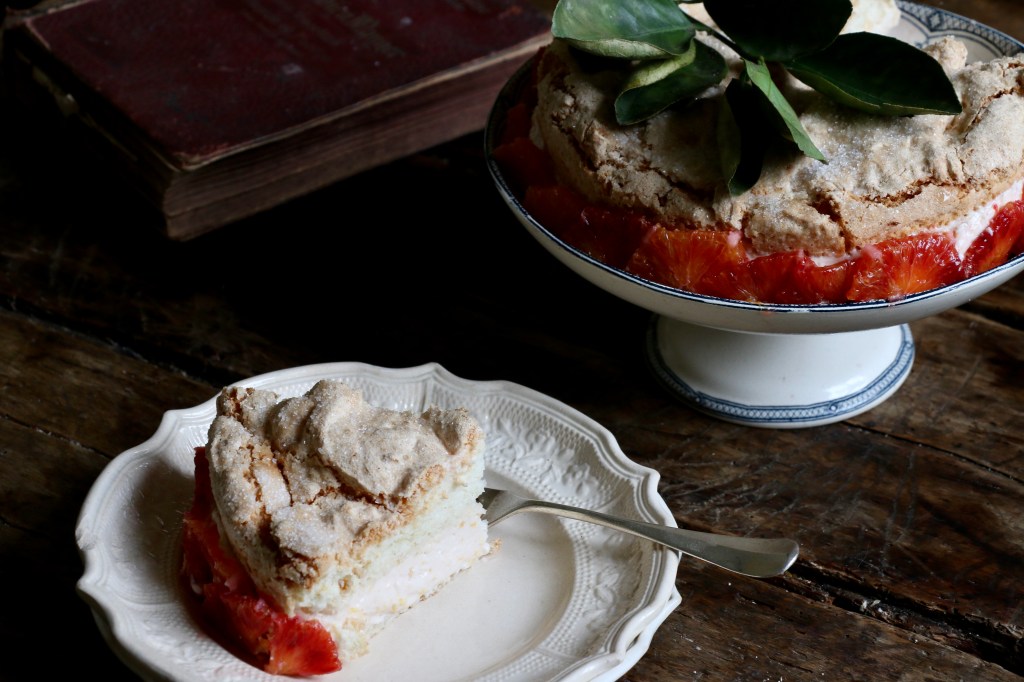
Anyhow I think it was Mimi Thorisson who said that only in kitchen and marriage goodness can be paired with goodness without spoiling it all (she said it much more elegantly but I can’t seem to find the original quote) which is why I’ve decided to give the Sceycolais a twist by filling it with a delicious blood orange cream (last oranges of the season, here we go). Here’s the how to:
What you’ll need
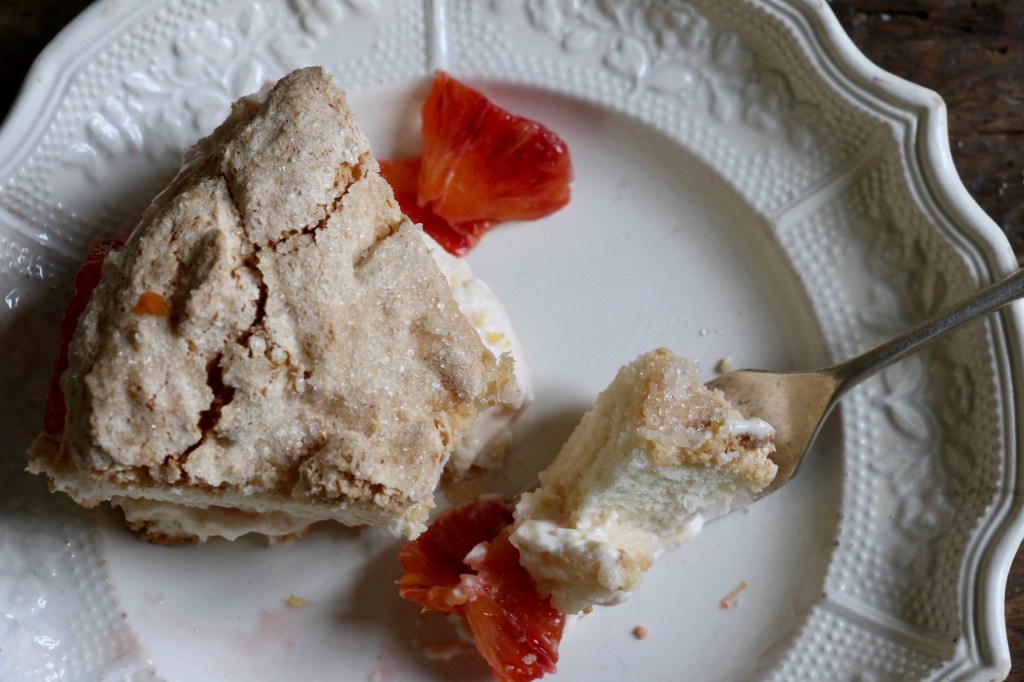
- Ideally one Gateau Sceycolais. Now I realise that such cake probably isn’t right at your hand but taking my génoise recipe from the buche de noel as a base and add bergamote essence to it might be an ok first approach to the original. Promised I’ll work on a better one.
- Two blood oranges
- One bitter orange
- Six sheets of gelatine
- 250g of fromage blanc, drained
- 75g of icing sugar
- A teaspoon of normal sugar
- 1dl whipped cream
- 0.5dl of water
- Cointreau
- Another teaspoon of normal sugar
How you make it
Slice the cake open so you get a bottom round and a top round. Put the bottom into a cake ring (I actually didn’t have one at my disposal so I’ve made a bobthing from tinfoil and cardboard that worked ok too).
Juice the bitter and one blood orange, this should render about 2dl of juice. Cook down to about 3/4 dl. While the juice is cooking, drench the gelatine in cold water in a shallow plate. Transfer the orange juice to a bowl, drain the gelatine and add to the juice, stir until it dissolves. Add a tablespoon of fromage blanc and the icing sugar and stir. Grate some orange peel of the sweet orange and add a tablespoon of cointreau. Then add the rest of the fromage blanc, mix.
Whip the cream with a teaspoon of sugar so it gets really firm. Fold under the fromage blanc mass. Pour on the bottom of the cake. Let sit in the fridge for a minimum of four hours.
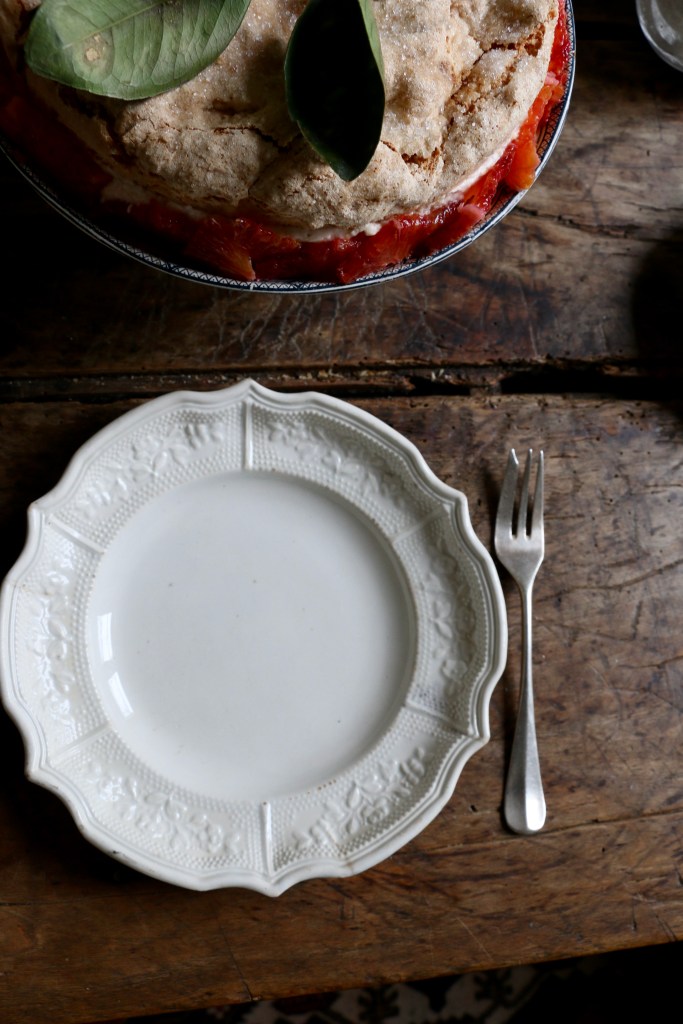
Peel the remaining orange with a knife so as to also remove the thin skin. Halve and then cut into thin slices. In a pan heat the water and sugar and boil for a couple of minutes so it thickens into a syrup. Take off the heat. Carefully place the orange slices in the syrup and add another tablespoon of cointreau. Let sit.
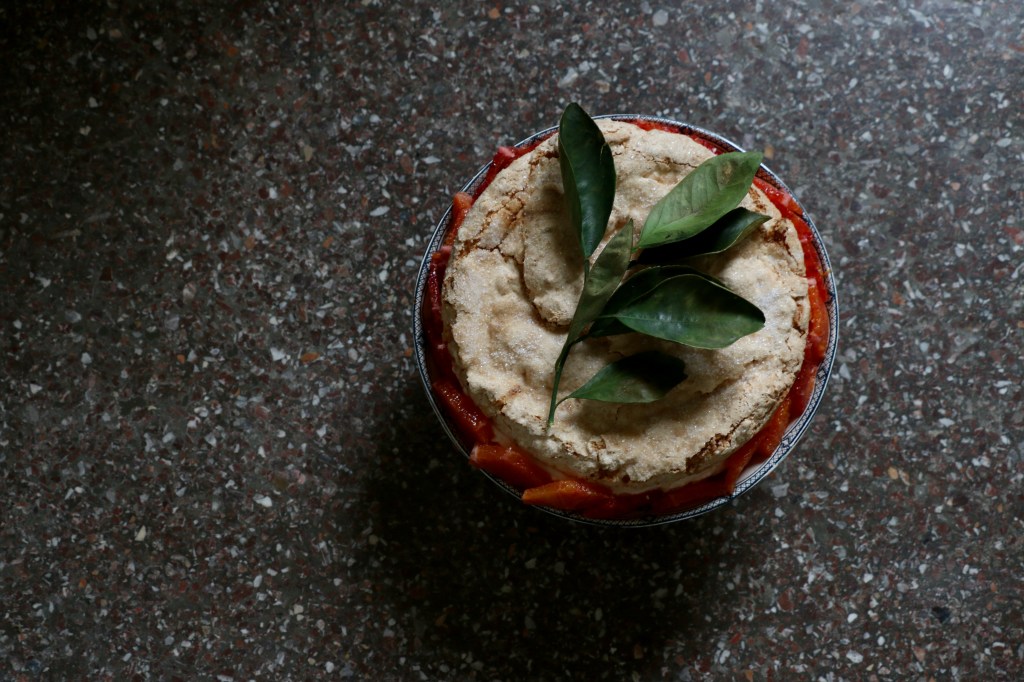
When the cake is firm, add the top of the cake and decorate with the orange slices. You may use the syrup to mix a cocktail, for example with champagne, or with rum and a drop of Angostura.
How to eat it
These types of cake are typically afternoonsy, something to share with chatty friends while the news about everything is being discussed (in French this would be called a round of commeres, old chatterboxes), especially juicy news in the neighbourhood (the discussions typically start with have you heard about… or you wouldn’t believe… with a very conspirational yet excited look on ones face). This means café to go along with it or a fragrant Lady Gray tea.

 Les Poissonchats
it looks and sounds wonderful. Ah now I have a french word which describes what my friends and I do every Friday over coffee in our local market. Commeres instead of our dialect words ‘old biddies’ Commeres has a nice ring to it.
LikeLike
Well I do like old biddies too 😅
LikeLike
😂😂😂😂
LikeLike
It looks delicious! But it’s one of those things that I’d leave to the professionals (like the baker, and yourself). Funny, I thought of bergamot as in Earl Grey Tea, the Bee Balm plants which I used to grow. But you know, I think my local grocer has them and doesn’t know it! I bought one, the nameless fruit was advertised on a placard as “a sweet lemon with hints of lime”, but we thought it kind of tasted like grapefruit. Is that what the bergamot tastes of?
Oh, and another word to add to your and Maureen’s list: Fika. A Swedish word describing getting together with friends, drinking coffee and eating pastries for hours. Used to do that for an hour before work on Fridays with my colleagues at a little Italian bakery a few blocks from school. Universally a good idea!
LikeLike