We’ve run into a cultural situation where we’ve confused the symbol with the physical reality; the money with the wealth;
Alan Watts
and the menu with the dinner. And we’re starving on eating menus.
Have you ever heard about Alan Watts? I find he’s probably the coolest of all contemporary philosophers. He says very clever things and – with mother’s words – people who say high strung stuff in a way so that ordinary people without a degree in whatnot understand too, those people are very smart. Alan Watts is one of those.
A great part of my marketing work for my business runs through this blog and social media and I can tell you, it’s a lonely place out here. There’s a seeming sheen of abundance, in the sheer number of comments and followers and likes – imagine each and every heart were a handshake or a hug in real live, it’s simply mind boggling – yet, it does feel a lot like starving on eating menus, for there’s a palpable lack of reality in everything that runs through it. I guess it’s precisely what their business model based upon – wanting you to “eat more menus”, more likes, more followers, more attention: chasing after a symbol as opposed to creating a physical reality. This is not a social media bashing on my part, by no means, as you very well know it enables me to live this life I’ve always been wanting to live and the story I’m telling here happened because of social media. But, as a cook, you very well know, I’ll always prefer food over fancy promises.
So I thought there should be done something about this.
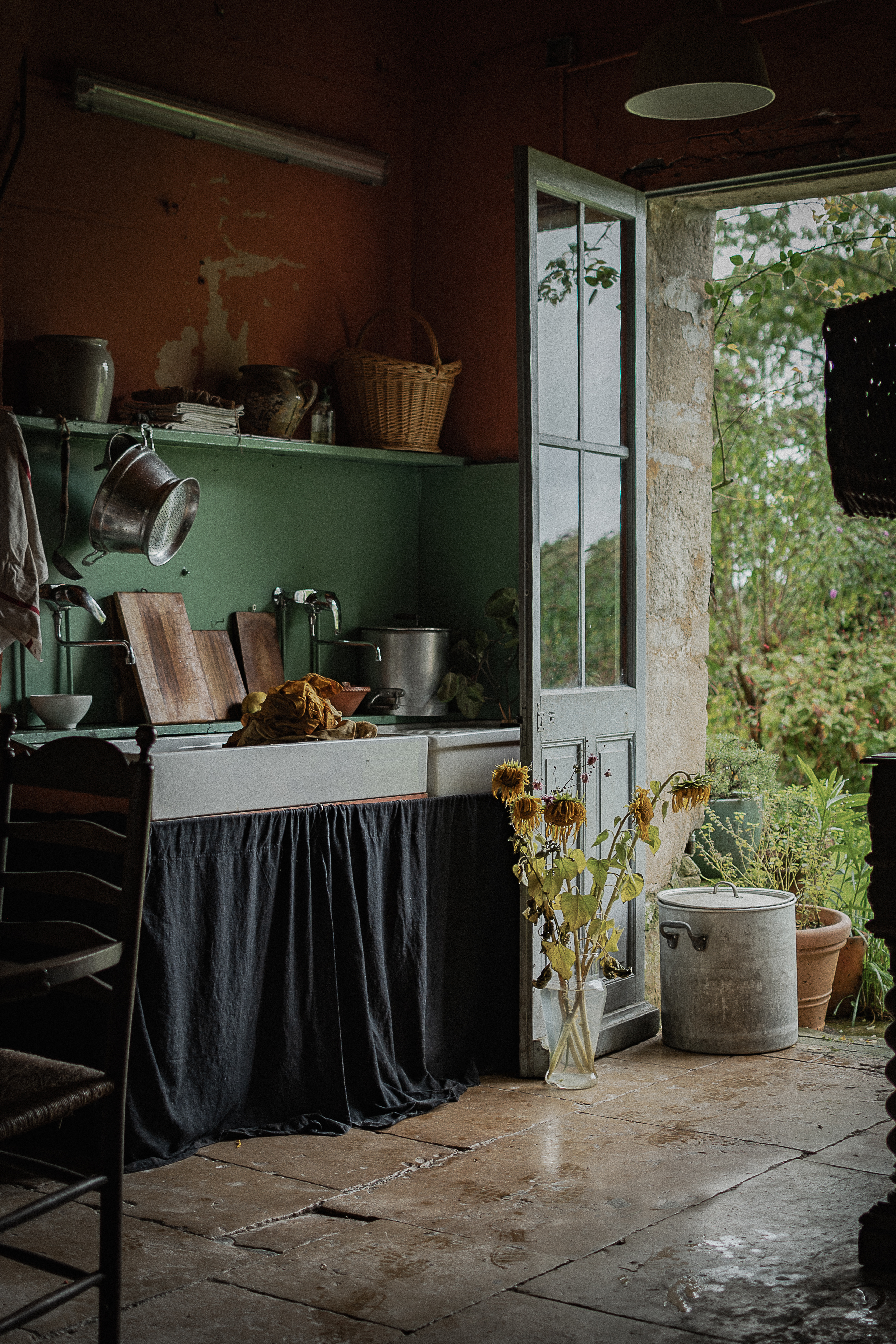
And I made a metaphorical pot au feu, a delicious, slow cooked stew: throw in a medieval castle, good food, good wine, a bunch of VERY talented ladies, a golden autumn and a generous dash of life and flesh and blood. And I think it is the best pot au feu I’ve ever cooked, again metaphorically spoken: we called it the Creative Retreat. No expectations, no goals, no obligations, just a few women who met through instagram who decided to take the thing for real by creating a physical reality. I don’t have words to describe these magical days spent together beyond that I’m sure, they are just the beginning of something very deep and very lasting.
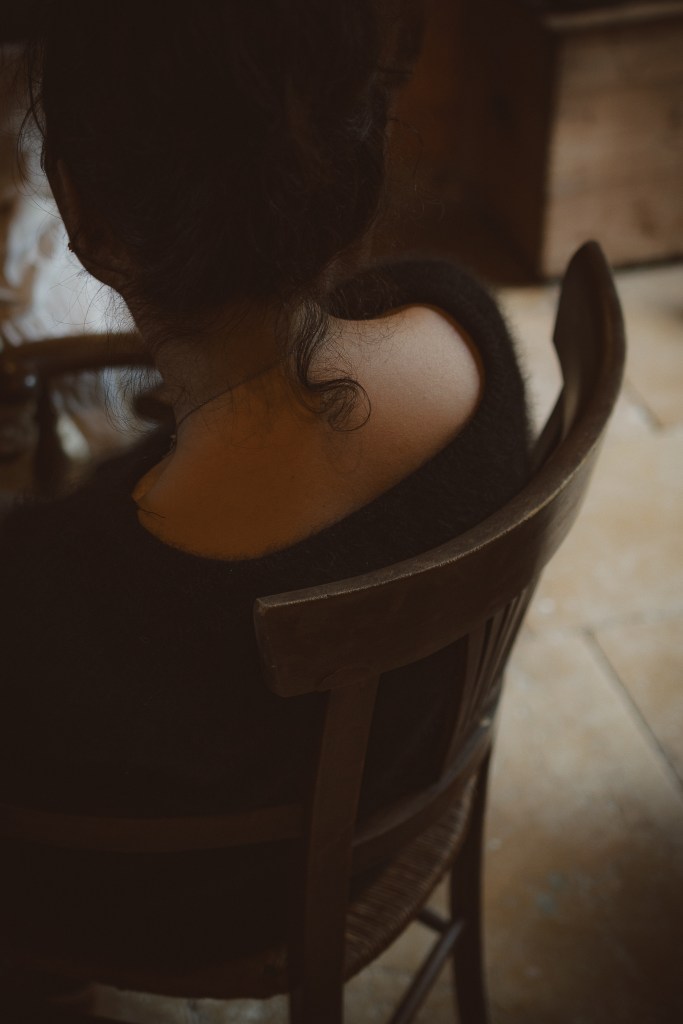
Here’s what it looked like through the eyes of Alejandra Sinclair:
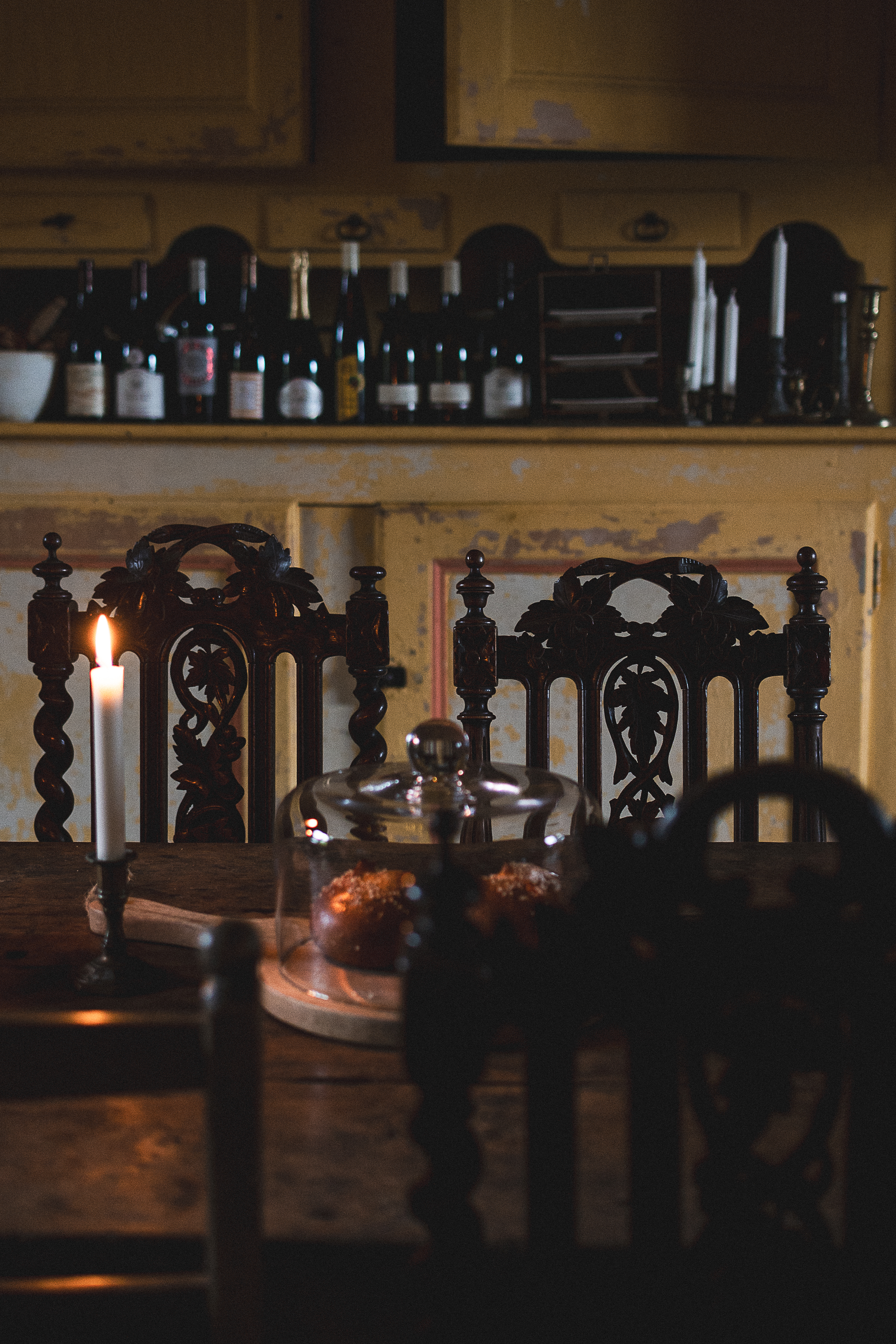

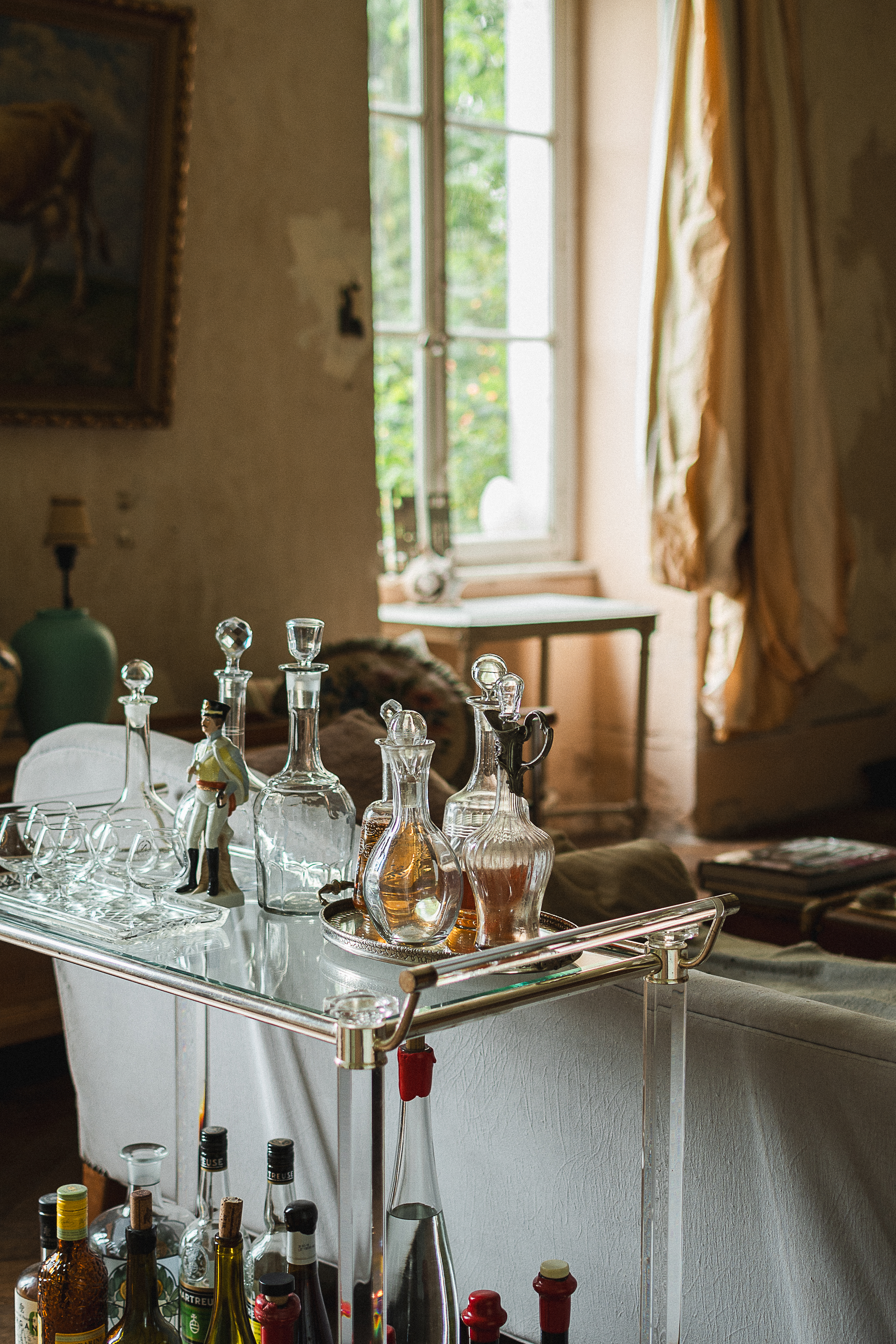

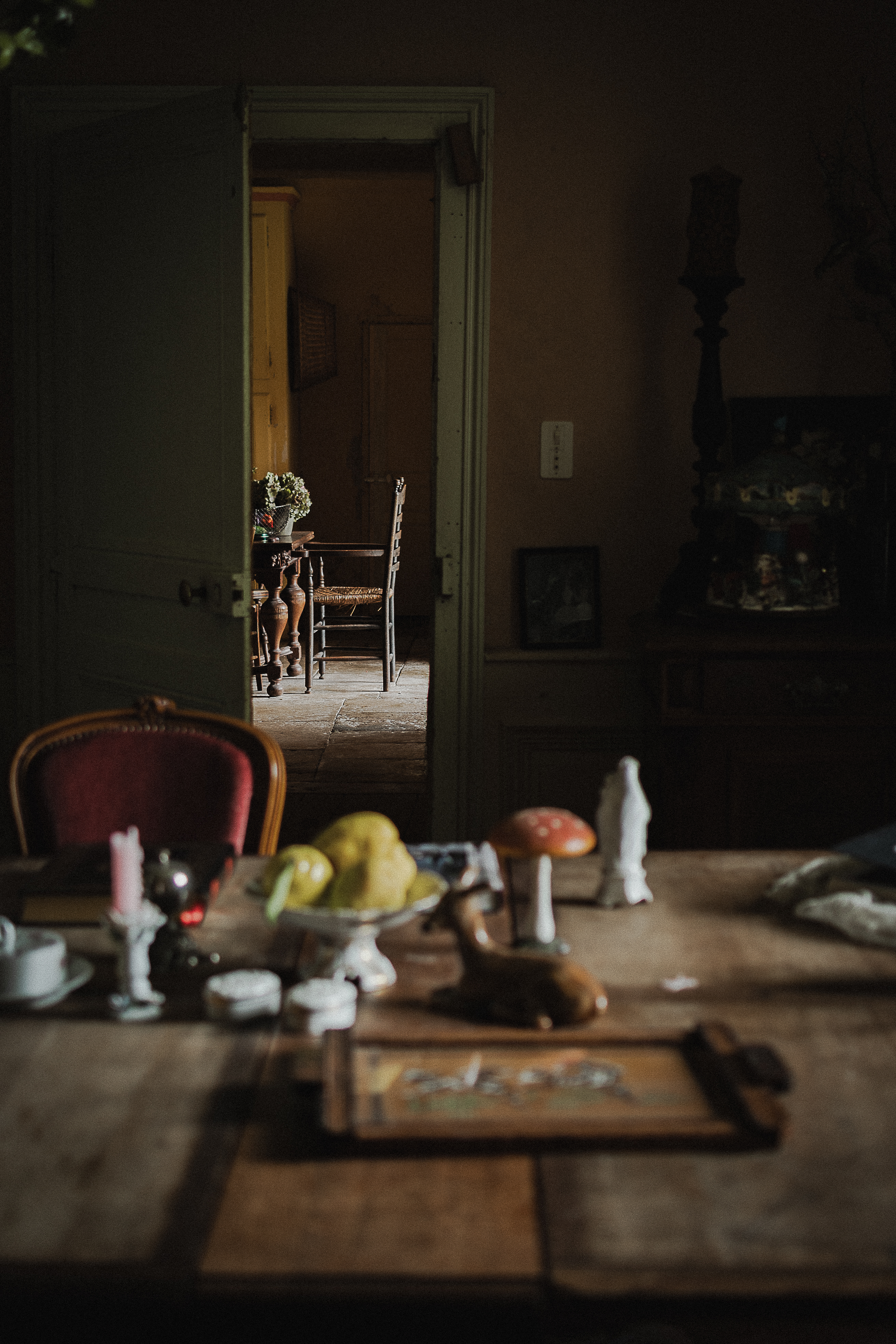
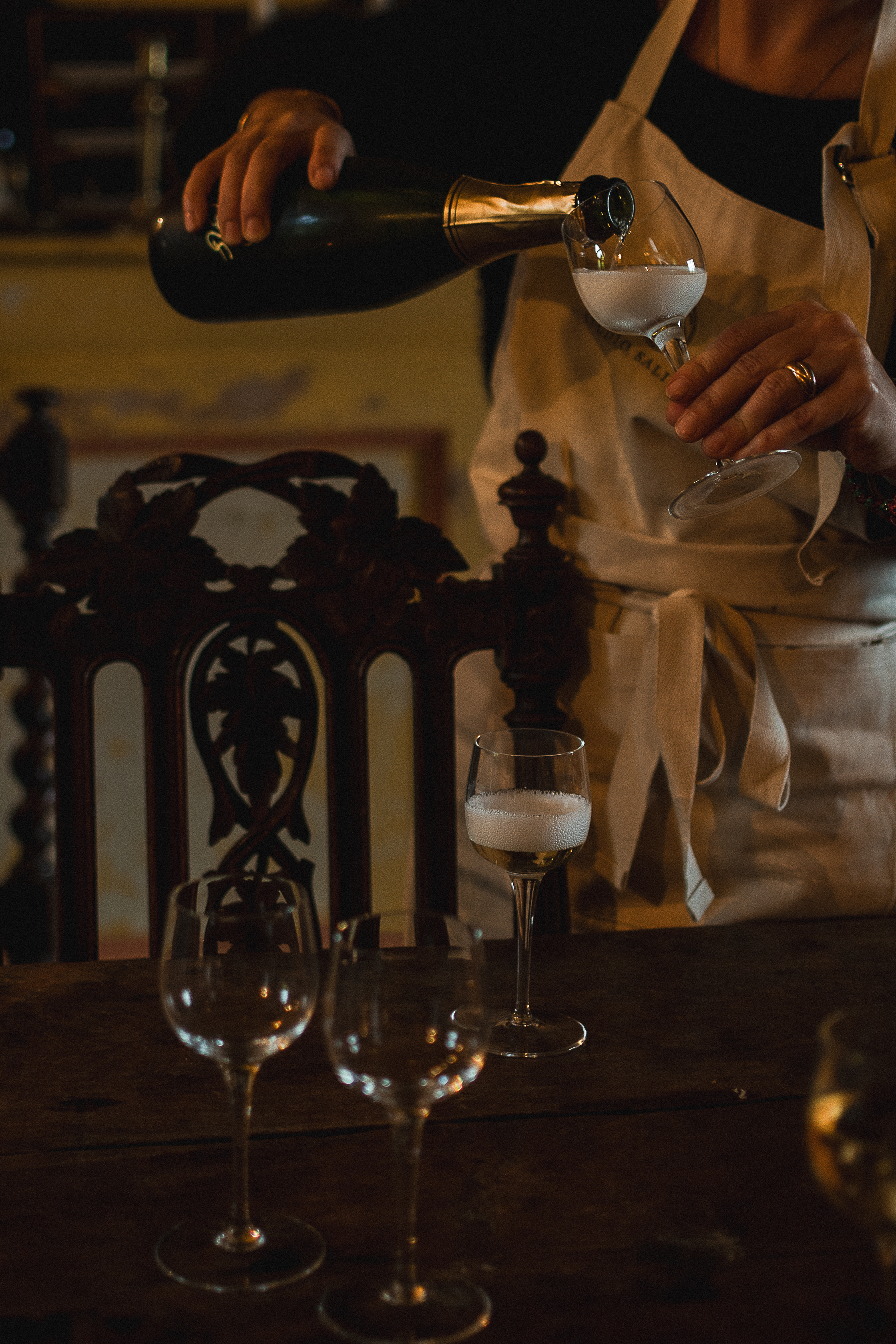
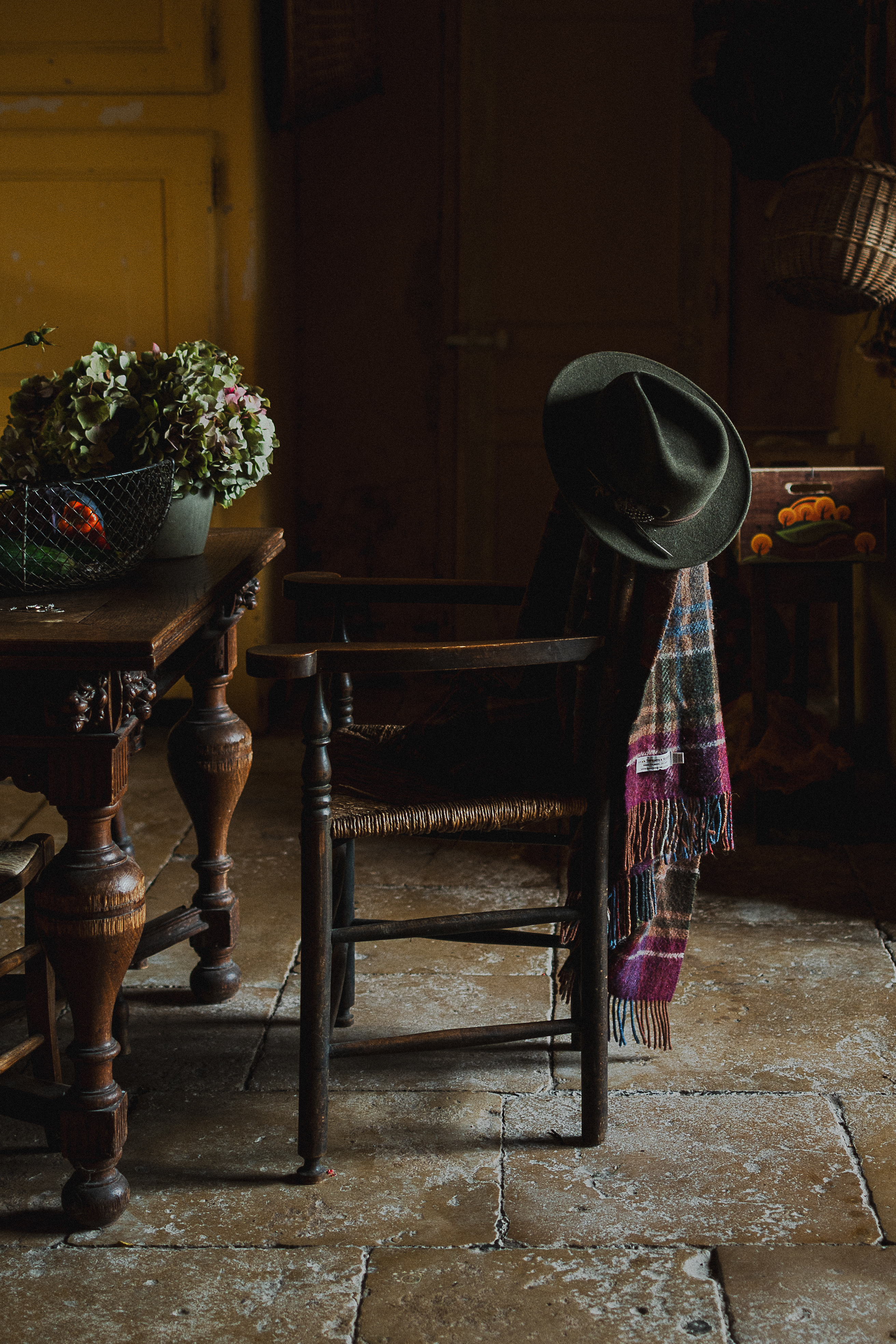
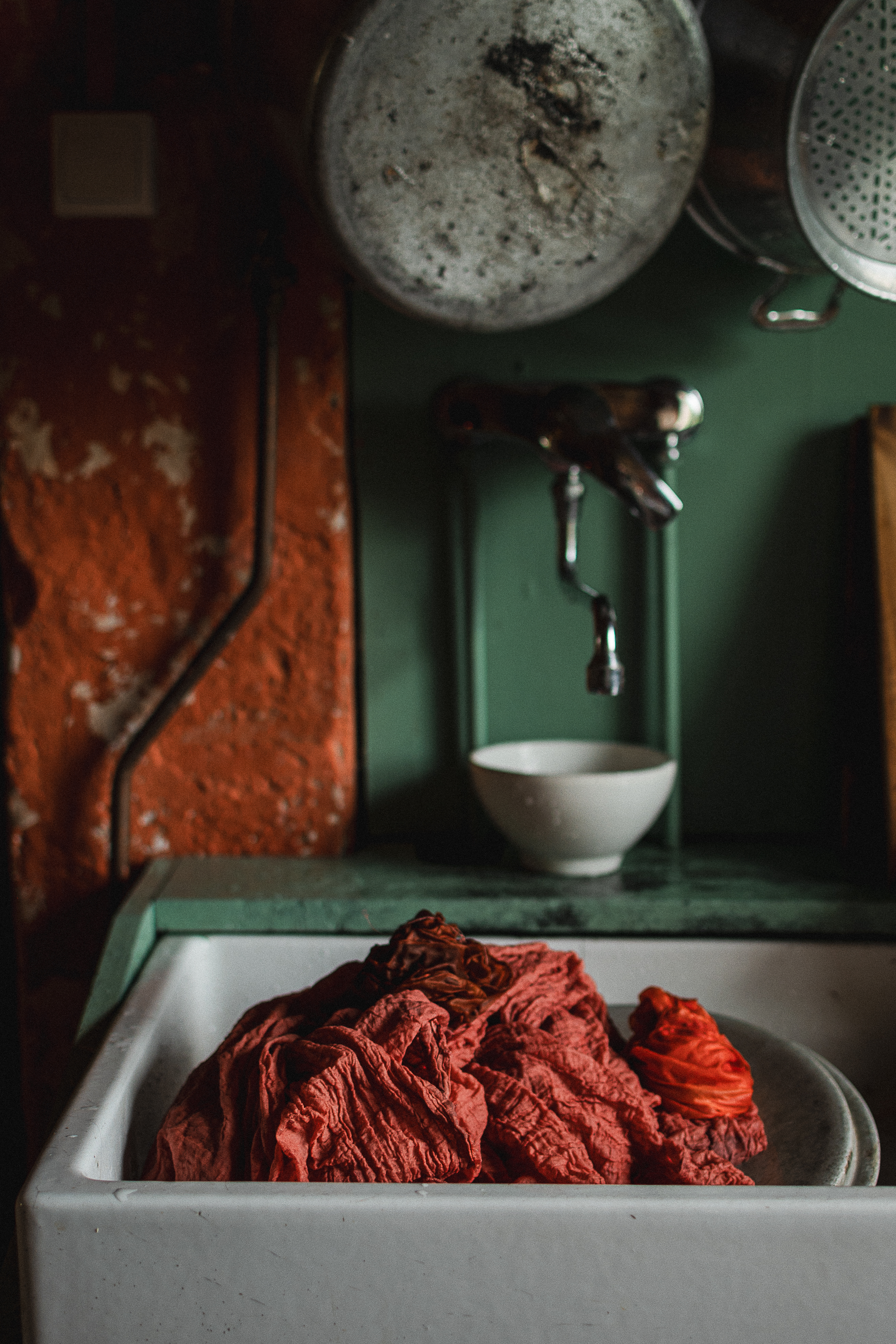
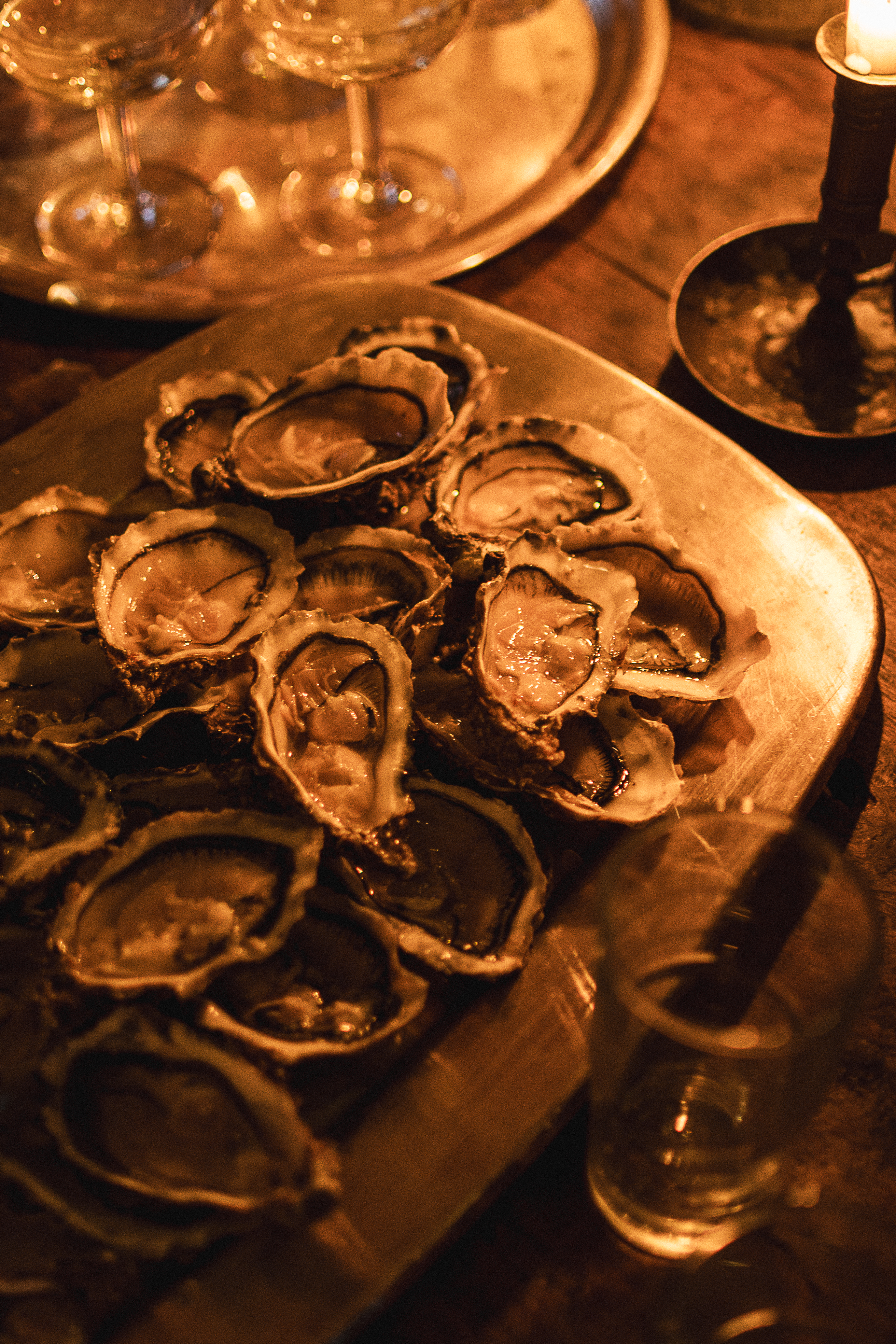

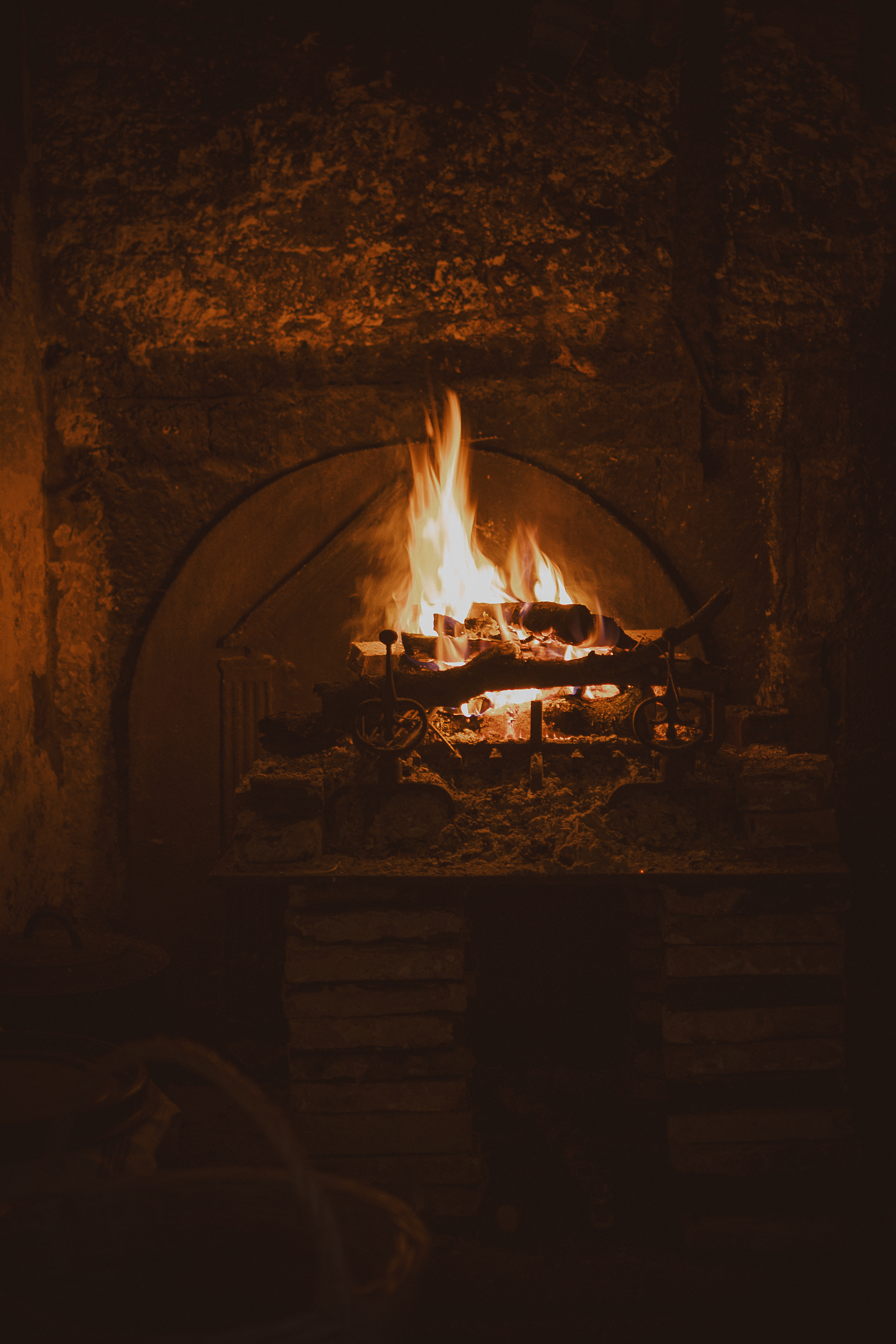
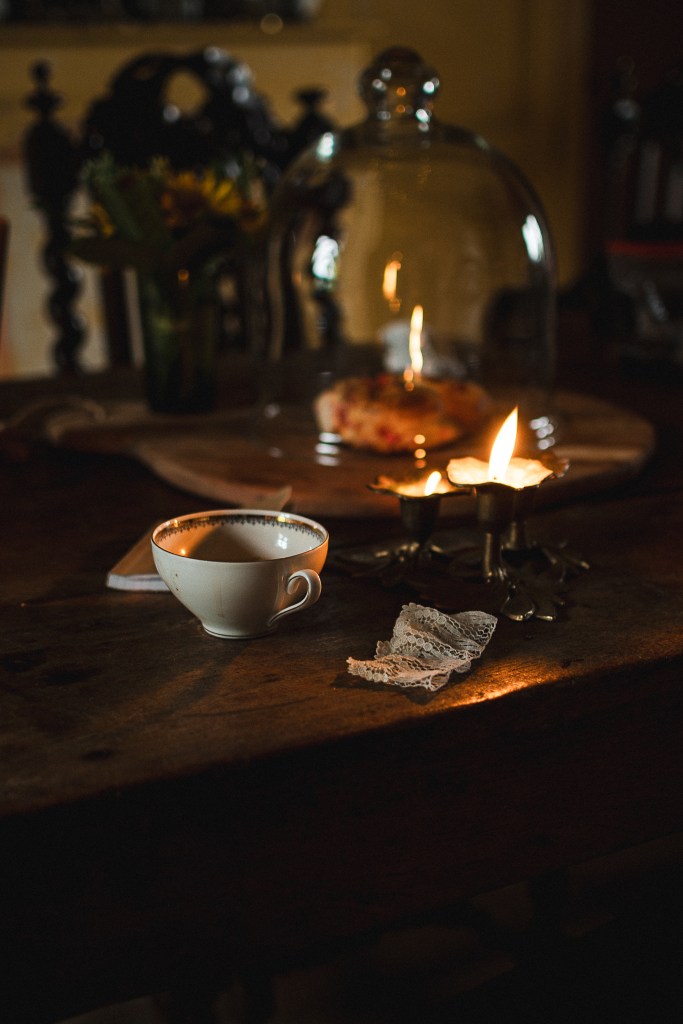
Alejandra is a photographer based in Parbold, West Lancashire. Her work is largely inspired by the old masters, light casting shadow. Please go and check out her work here or on instagram. You won’t be disappointed. Also for timely Christmas shoppers: you can order her still-life fine art prints, framed or unframed, a perfect gift for a person dear to you. Or, if you’re located in her area, why not book her for an intimate private shooting with your friend or family or spouse or pet or whoever you’d like to give something really personal to, that’s what I call a memorable Christmas present. Or to speak with the spirit of Alan Watts: don’t starve on thousands of iPhone pictures, but rather have a set of beautiful visual stories that will last you through cold days.
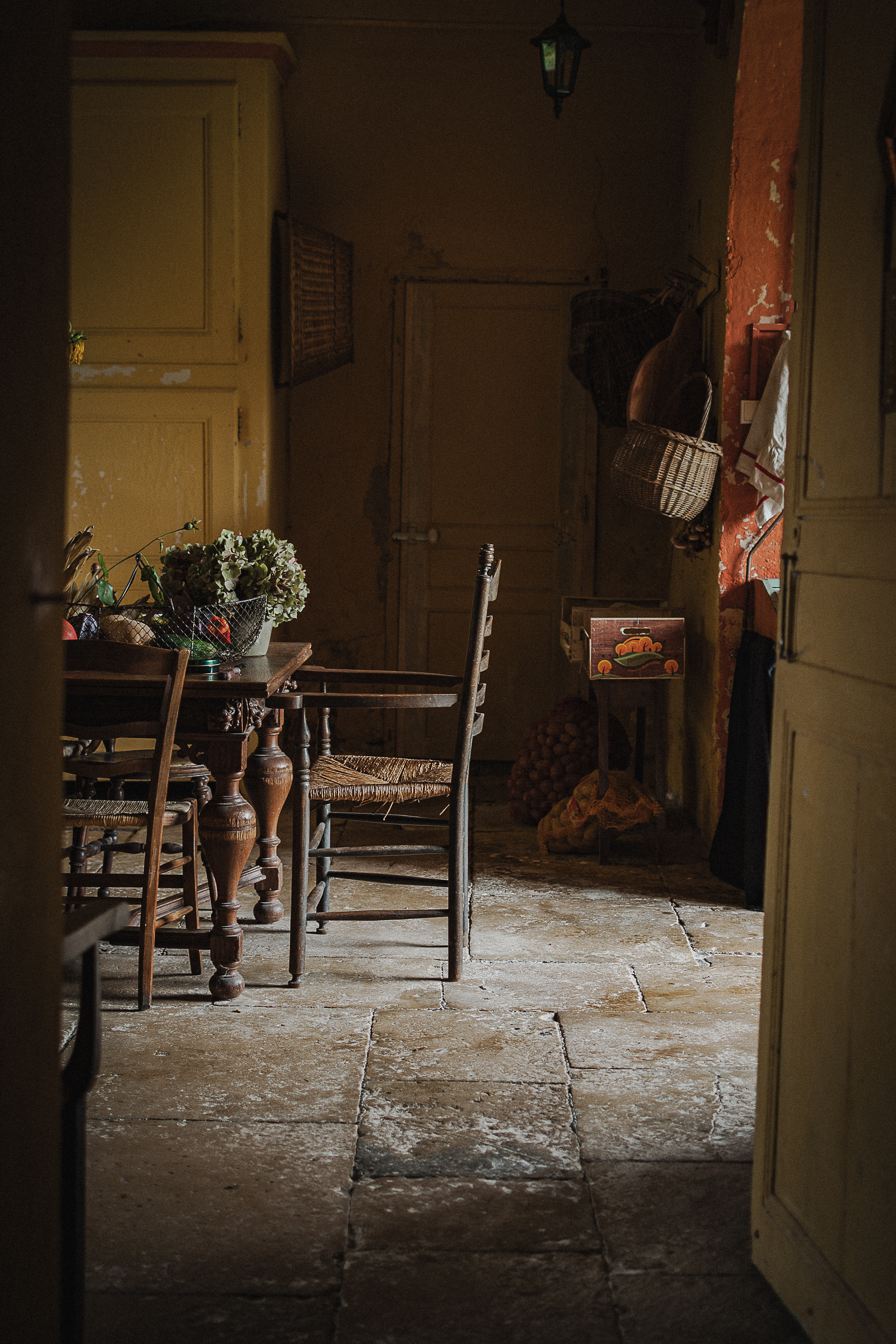
Alejandra, from the first moment I picked her up at our tiny ramshackle train station, felt like a kindred soul to me, in a way I had this persisting sensation of instant recognition. After giving it a bit more thought, and sharing our stories, I think I saw the tragedy of losing my land, by which I really mean land, soil, field and everything that lives on and by it, that had belonged in our family for generations, mirrored through her eyes. And I also saw that perhaps that very existential loss is the root cause of this search for beauty in antinomy: light casting shadow.
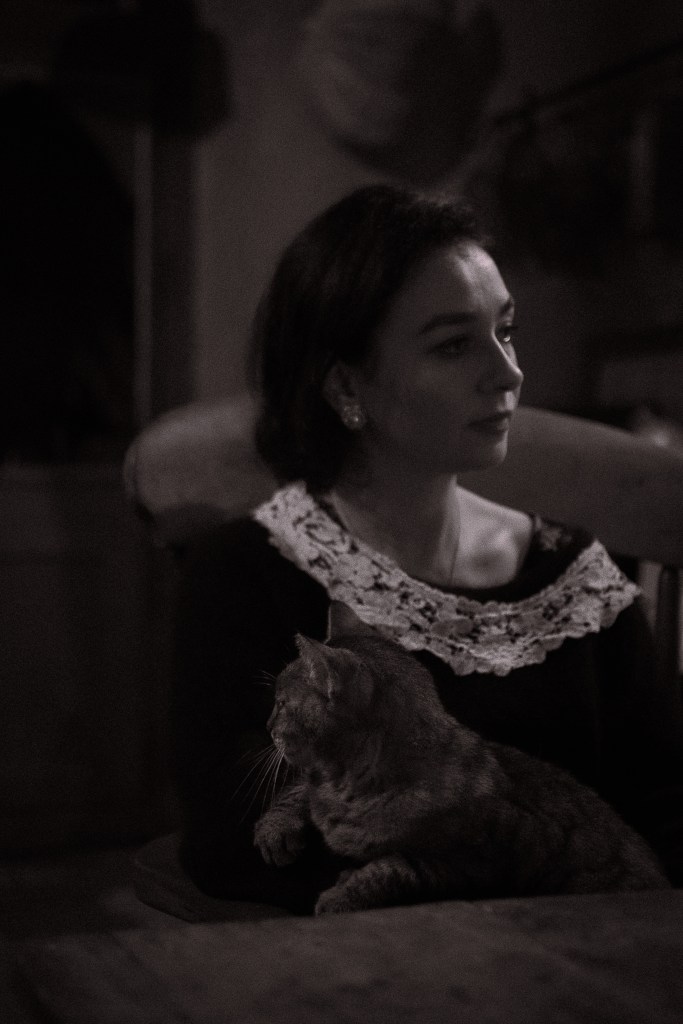
There’s so much to say yet about these days and the beautiful souls that have filled this old castle (I think the castle ghosts were absolutely delighted too), I’ll definitely be telling more about each and every one on here. There’s Becky, who is one of my oldest instagram pals, she’s an absolutely wonderful person. Her podcast “The Storied Recipe” is one of my favourite shows, so much warmth and life and ever so many goosebumps moments. Cassandra, photographing old school on film, you will know her already through this blog and some of my readers have even met her in person during the Dreamy Photo Shooting Retreat. Find out more about her here. And Sarah, the colour wizard, there’s a collab upcoming with her definitely, stay tuned for some gorgeous textile magic next year!
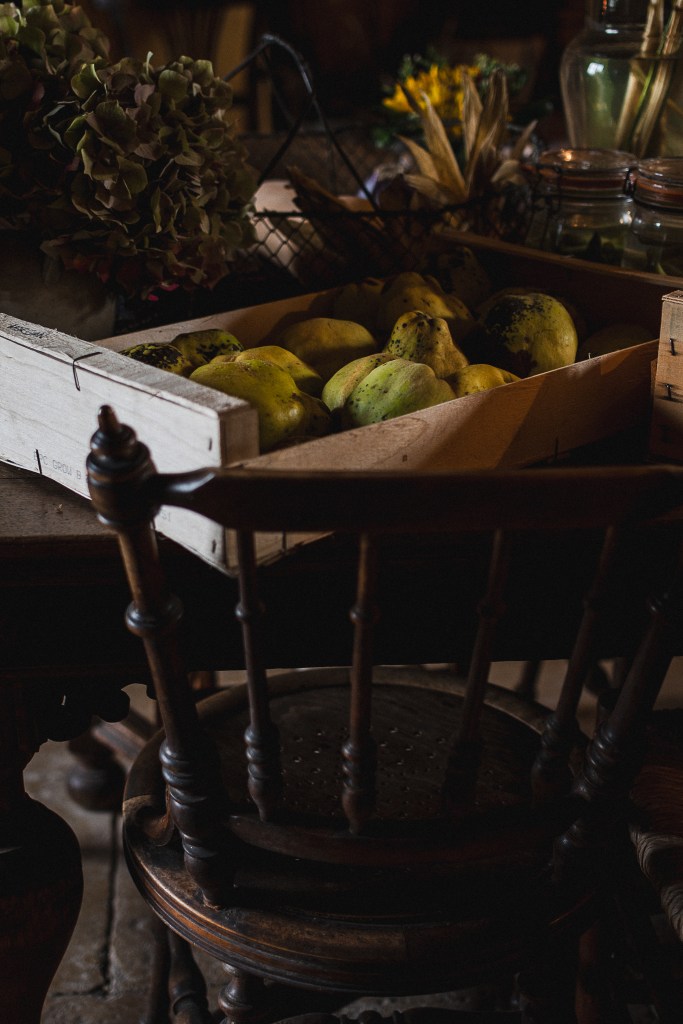
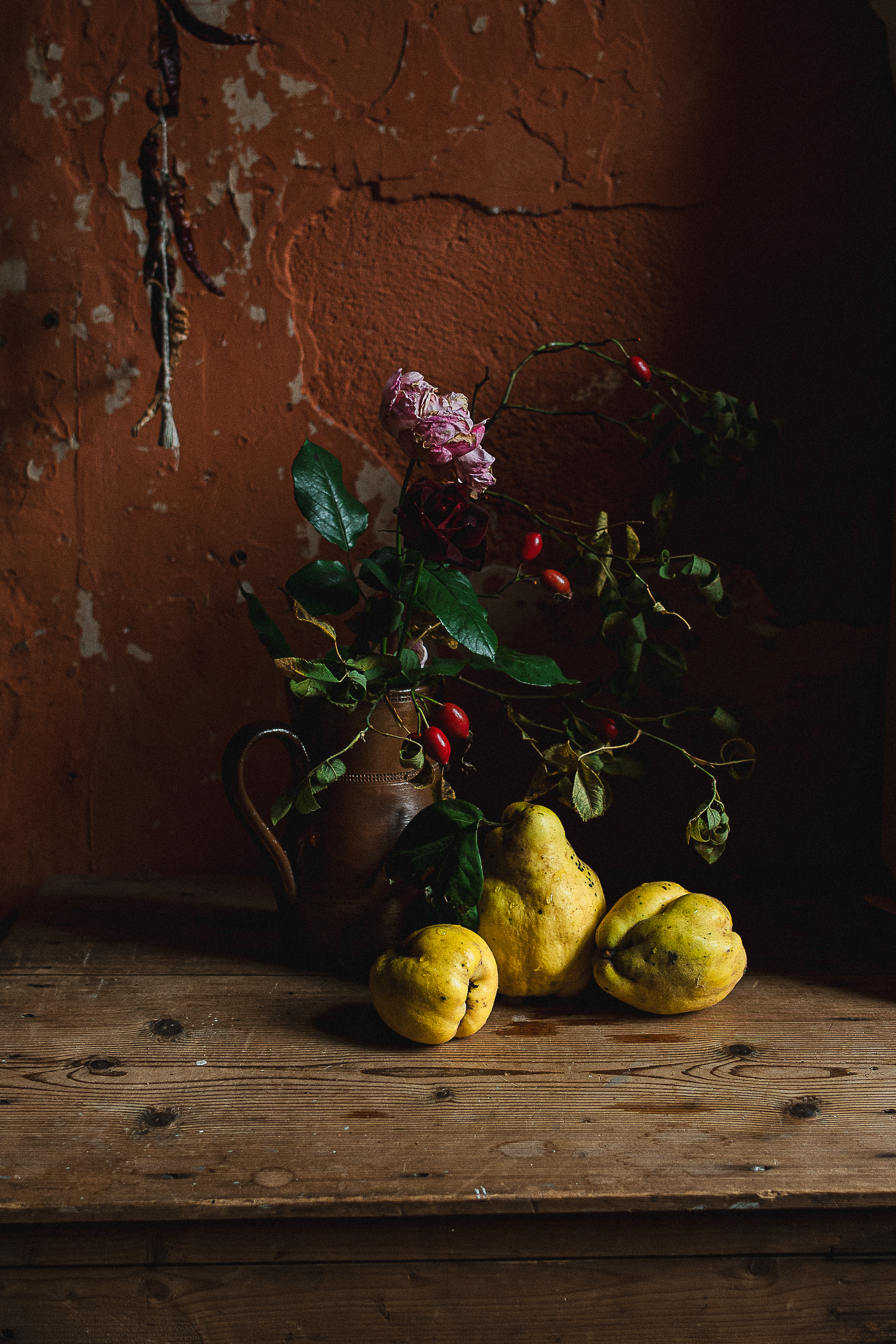
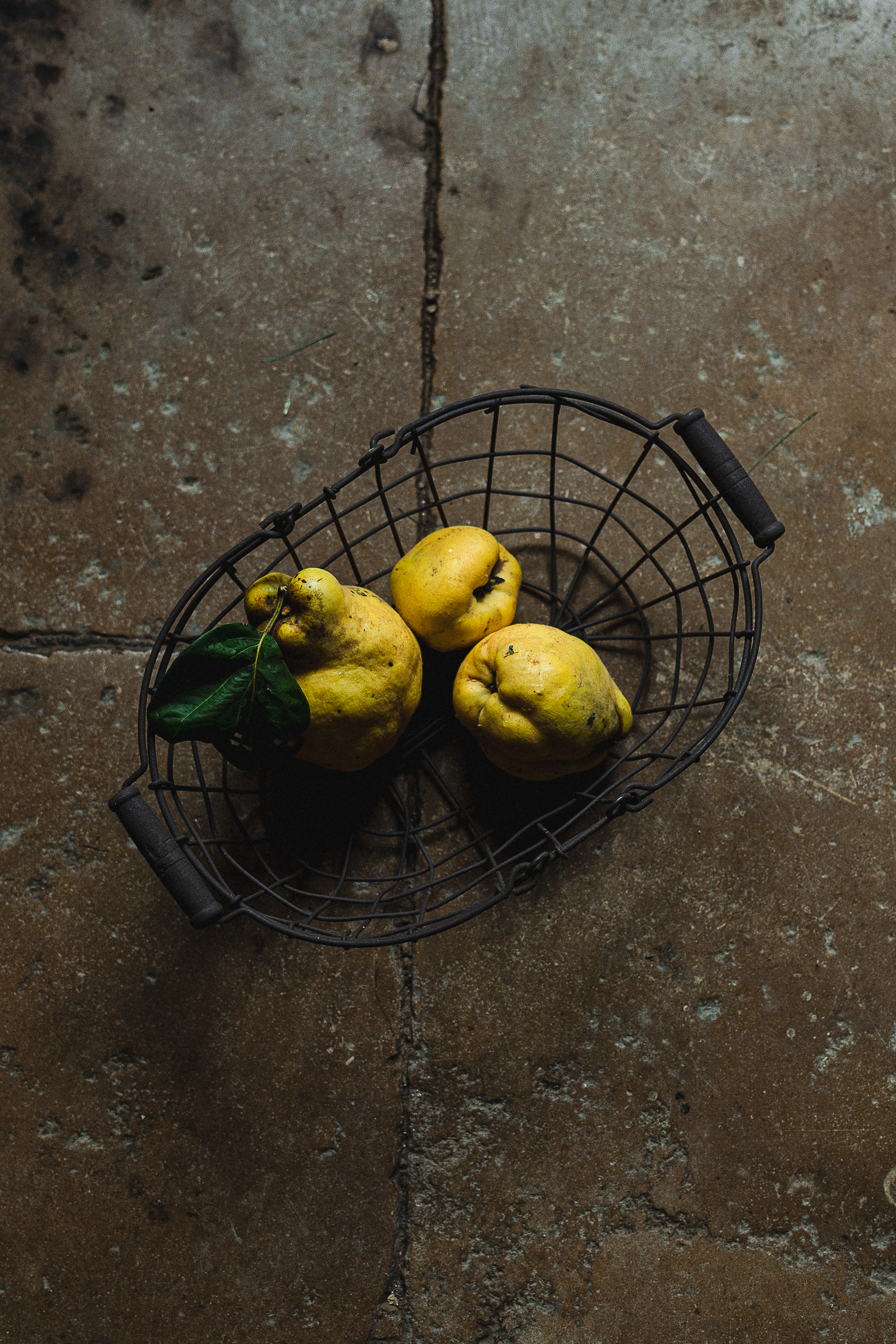
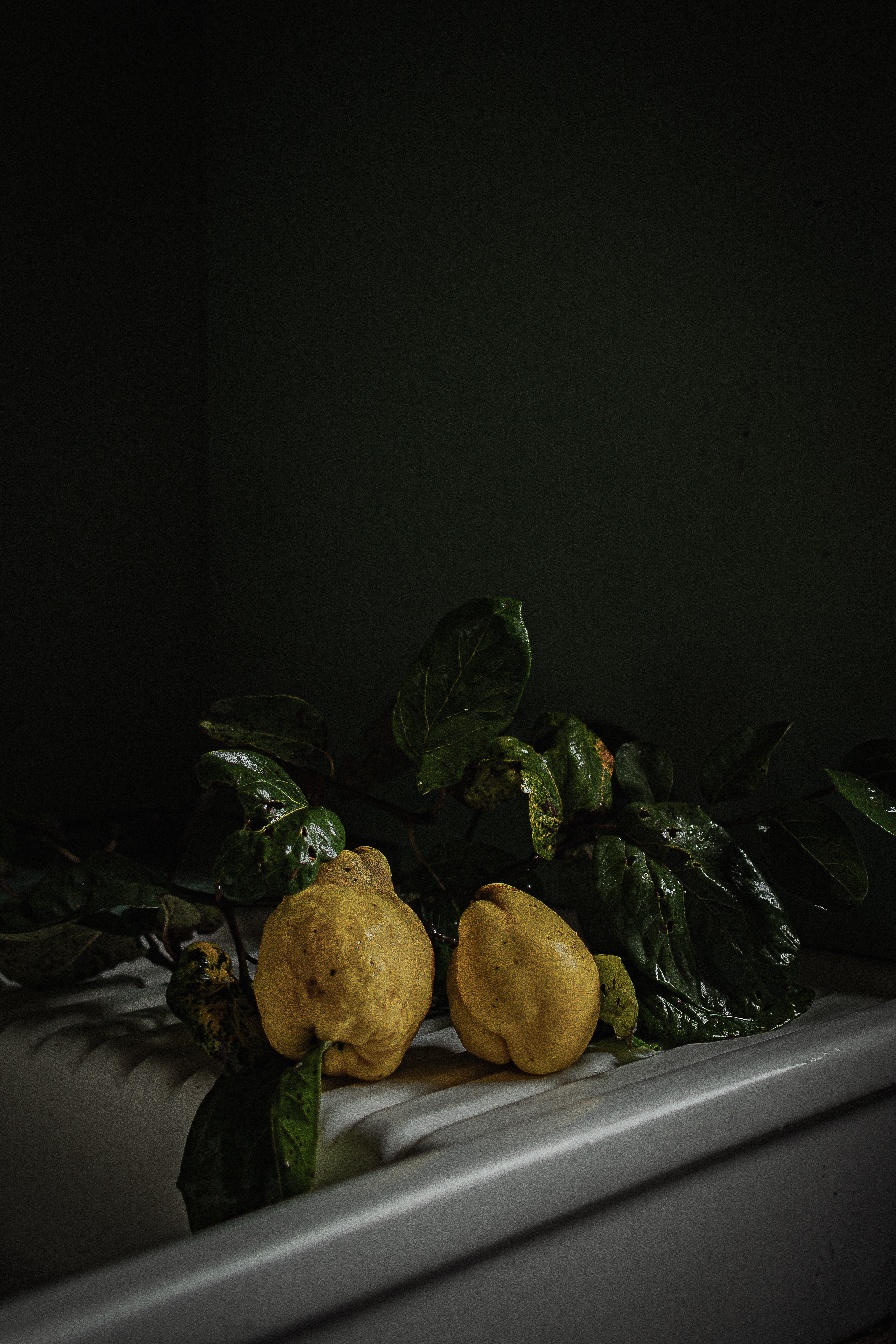
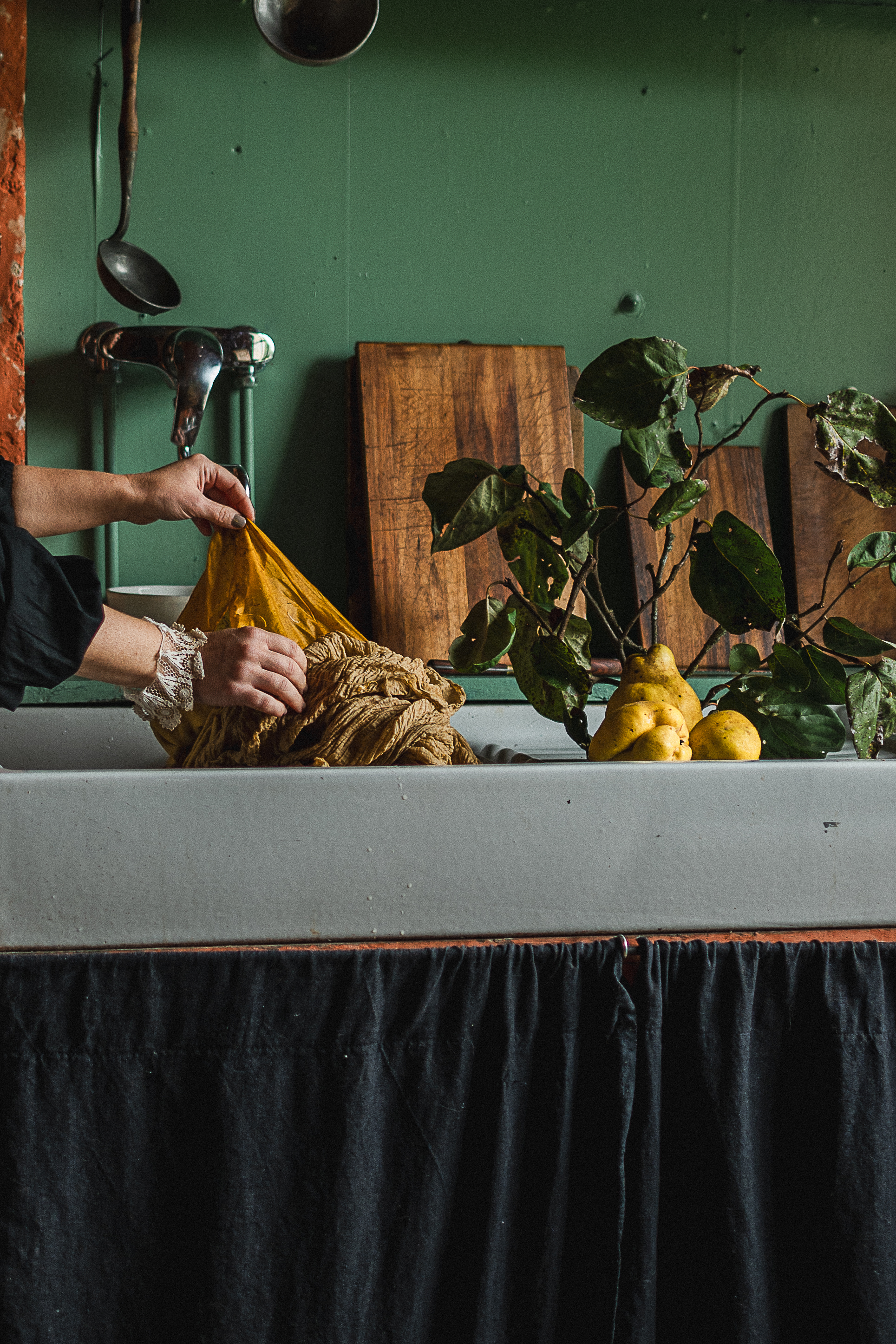
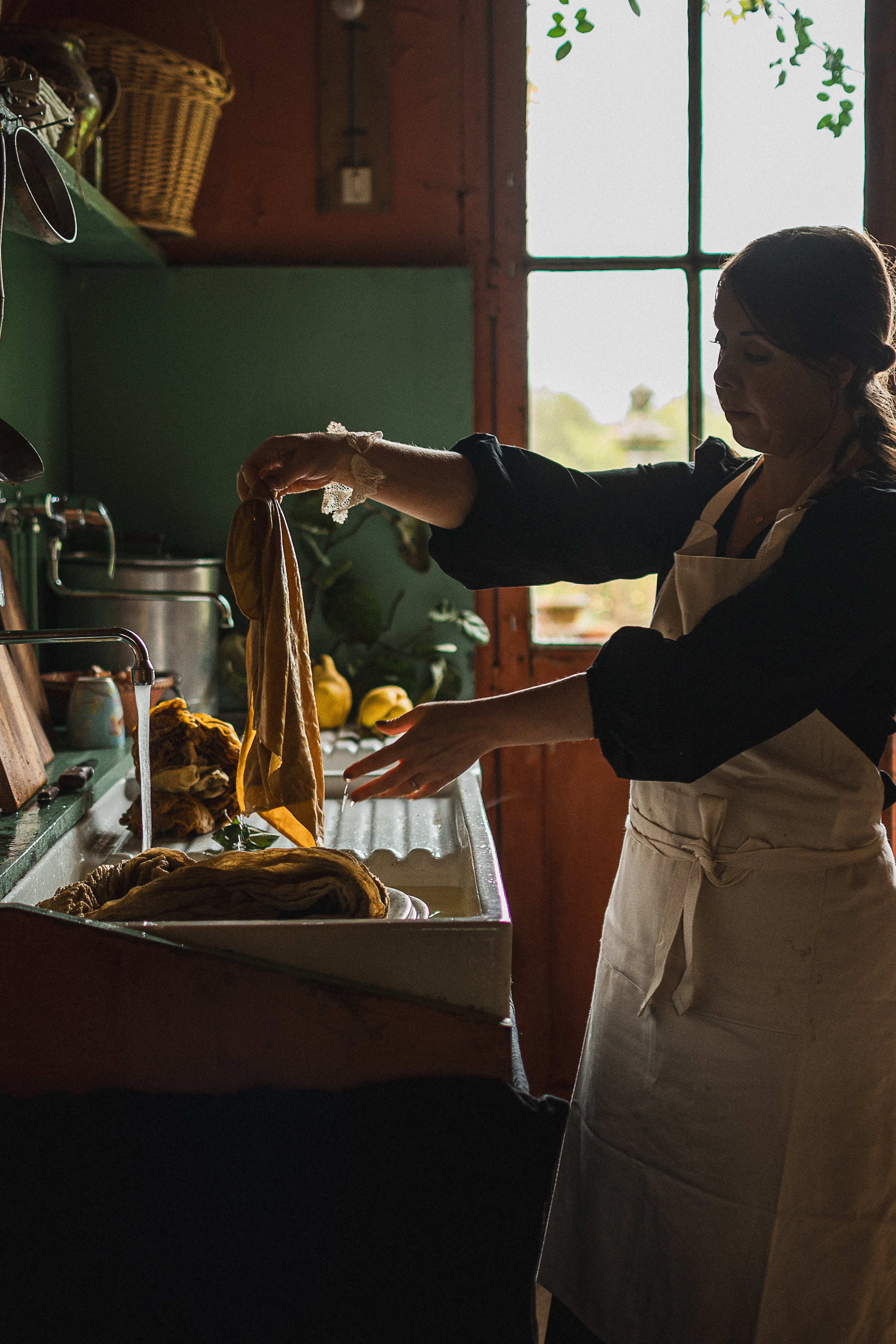
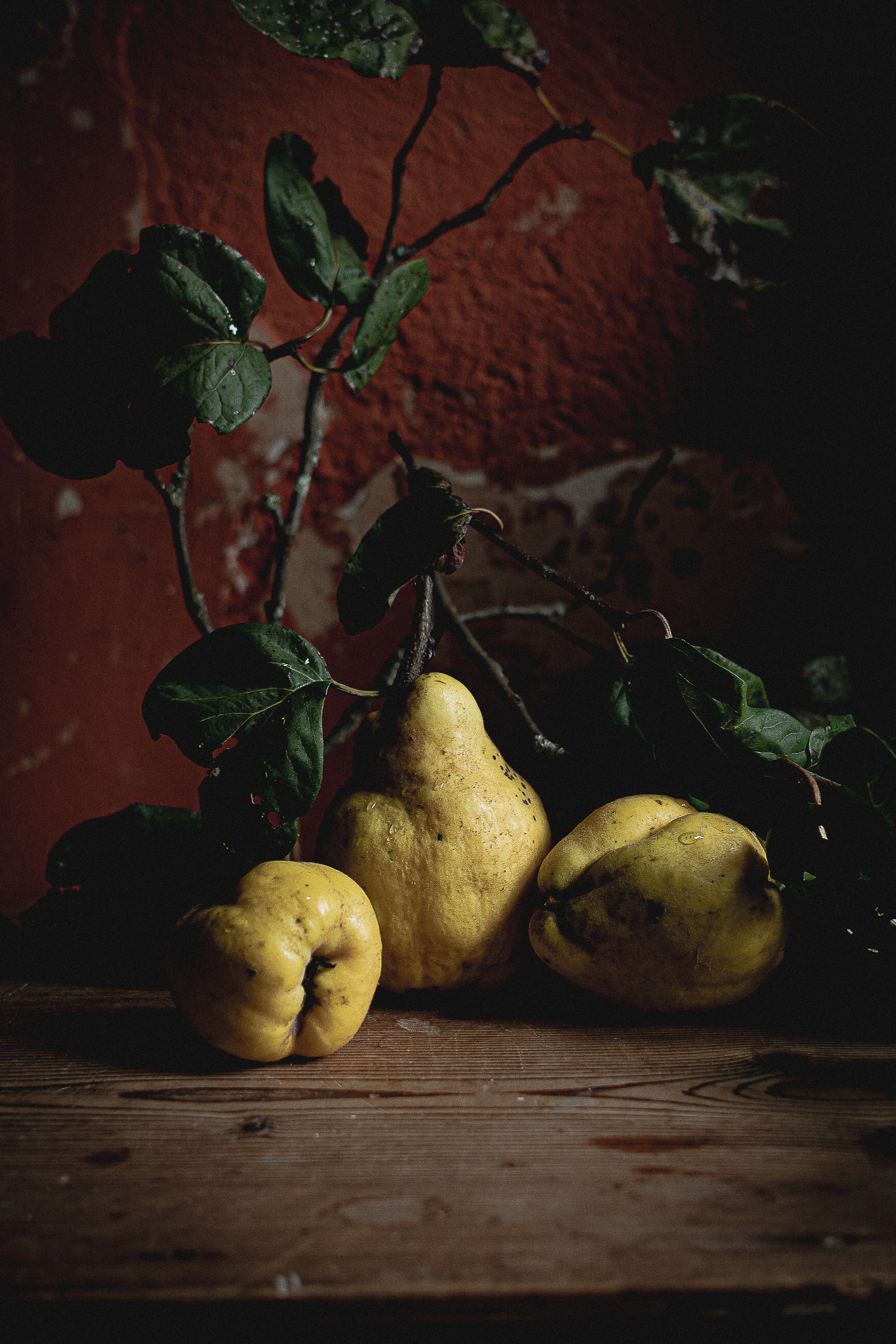
Here’s the quince from our orchard Alejandra photographed while she was here, and since I have turned the fruit into quince jelly, quince juice and a thing very dear to me, for it means home: Quittenpästli. It’s complicated and heavy work and needs a lot of patience, the work of a farmer’s wife, with a wood fired stove in her kitchen and doing a million other things in between. A labour of love. The how to is further down!


What you’ll need
- A crate of ripe quinces. Now generally, in our part of the world, quinces are ripe when they fall off the tree. They will emanate a most alluring perfume, yet the fruit still will be hard as stone. It’s better to let them sit a couple of days before starting on the cooking, for the riper they are, the better the result.
- A lot of sugar
- Water
- A really large pot
How to make it
Rub the quince clean and cut out mouldy parts. Quarter. Make sure brown stuff won’t go into the pot. Don’t cut out the heart, it will add ever so much flavour. Throw the quarters in the pot and cover with water. Bring to boil, then cover with a lid and let simmer for 3-4h or longer.
Once cooked, strain through a cheesecloth. You can either fix the cheesecloth on an upturned chair on the table, whereby you tie the cloth to each of the ends of the legs of the chair, be sure to make a tight knot or the whole thing come down crashing, and put a large recipient for the juice under it. Or by laying out a large sieve with the cloth and strain the juice into another big pot. In either case, don’t you ever press the quince for you’ll completely spoil everything! No pressure! Just let the whole thing sit for a couple of hours, ideally overnight, the weight of the cooked quince will be enough on its own to trickle the juice down into the pot.
The juice you can use to either make quince juice (10% of the weight of the juice added in sugar) or quince jelly (50% of the weight of the juice added in sugar).
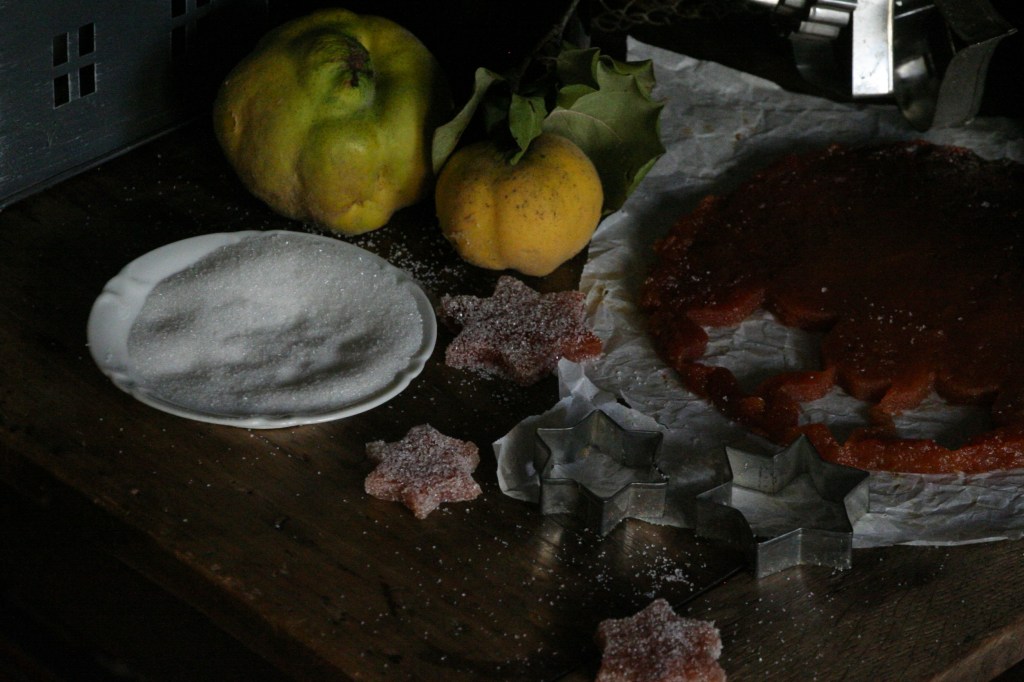
So now to the mash, carefully pick out the cores and the peel. Weigh out the sugar in the same amount of the clean quince mash. Heat in a pan and cook until it gets thick and stops being runny. Lay out a large tray with parchment paper and spread out the mash, about 2cm thick. Let sit in a dry spot at room temperature for several days.
Bring out your cutest cookie cutters to cut the paste, turn in more sugar so it’s all copper twinkly frosted. With a needle, stab a hole into it and draw a nice ribbon through it so you can hang the Quittenpästli on the Christmas Tree or tie them on the wrapped gifts.
How to eat them
With reverence, quite obviously, for the toil it takes to make them. But I admit, they taste best when stealthily stolen off the freshly decorated Christmas Tree.
All images except last one ©Alejandra Sinclair
 Les Poissonchats